About us
Learn how GA4GH helps expand responsible genomic data use to benefit human health.

Learn how GA4GH helps expand responsible genomic data use to benefit human health.
Our Strategic Road Map defines strategies, standards, and policy frameworks to support responsible global use of genomic and related health data.
Discover how a meeting of 50 leaders in genomics and medicine led to an alliance uniting more than 5,000 individuals and organisations to benefit human health.
GA4GH Inc. is a not-for-profit organisation that supports the global GA4GH community.
The GA4GH Council, consisting of the Executive Committee, Strategic Leadership Committee, and Product Steering Committee, guides our collaborative, globe-spanning alliance.
The Funders Forum brings together organisations that offer both financial support and strategic guidance.
The EDI Advisory Group responds to issues raised in the GA4GH community, finding equitable, inclusive ways to build products that benefit diverse groups.
Distributed across a number of Host Institutions, our staff team supports the mission and operations of GA4GH.
Curious who we are? Meet the people and organisations across six continents who make up GA4GH.
More than 500 organisations connected to genomics — in healthcare, research, patient advocacy, industry, and beyond — have signed onto the mission and vision of GA4GH as Organisational Members.
These core Organisational Members are genomic data initiatives that have committed resources to guide GA4GH work and pilot our products.
This subset of Organisational Members whose networks or infrastructure align with GA4GH priorities has made a long-term commitment to engaging with our community.
Local and national organisations assign experts to spend at least 30% of their time building GA4GH products.
Anyone working in genomics and related fields is invited to participate in our inclusive community by creating and using new products.
Wondering what GA4GH does? Learn how we find and overcome challenges to expanding responsible genomic data use for the benefit of human health.
Study Groups define needs. Participants survey the landscape of the genomics and health community and determine whether GA4GH can help.
Work Streams create products. Community members join together to develop technical standards, policy frameworks, and policy tools that overcome hurdles to international genomic data use.
GIF solves problems. Organisations in the forum pilot GA4GH products in real-world situations. Along the way, they troubleshoot products, suggest updates, and flag additional needs.
GIF Projects are community-led initiatives that put GA4GH products into practice in real-world scenarios.
The GIF AMA programme produces events and resources to address implementation questions and challenges.
NIF finds challenges and opportunities in genomics at a global scale. National programmes meet to share best practices, avoid incompatabilities, and help translate genomics into benefits for human health.
Communities of Interest find challenges and opportunities in areas such as rare disease, cancer, and infectious disease. Participants pinpoint real-world problems that would benefit from broad data use.
The Technical Alignment Subcommittee (TASC) supports harmonisation, interoperability, and technical alignment across GA4GH products.
Find out what’s happening with up to the minute meeting schedules for the GA4GH community.
See all our products — always free and open-source. Do you work on cloud genomics, data discovery, user access, data security or regulatory policy and ethics? Need to represent genomic, phenotypic, or clinical data? We’ve got a solution for you.
All GA4GH standards, frameworks, and tools follow the Product Development and Approval Process before being officially adopted.
Learn how other organisations have implemented GA4GH products to solve real-world problems.
Help us transform the future of genomic data use! See how GA4GH can benefit you — whether you’re using our products, writing our standards, subscribing to a newsletter, or more.
Join our community! Explore opportunities to participate in or lead GA4GH activities.
Help create new global standards and frameworks for responsible genomic data use.
Align your organisation with the GA4GH mission and vision.
Want to advance both your career and responsible genomic data sharing at the same time? See our open leadership opportunities.
Join our international team and help us advance genomic data use for the benefit of human health.
Discover current opportunities to engage with GA4GH. Share feedback on our products, apply for volunteer leadership roles, and contribute your expertise to shape the future of genomic data sharing.
Solve real problems by aligning your organisation with the world’s genomics standards. We offer software dvelopers both customisable and out-of-the-box solutions to help you get started.
Learn more about upcoming GA4GH events. See reports and recordings from our past events.
Speak directly to the global genomics and health community while supporting GA4GH strategy.
Be the first to hear about the latest GA4GH products, upcoming meetings, new initiatives, and more.
Questions? We would love to hear from you.
Read news, stories, and insights from the forefront of genomic and clinical data use.
Publishes regular briefs exploring laws and regulations, including data protection laws, that impact genomic and related health data sharing
Translates findings from studies on public attitudes towards genomic data sharing into short blog posts, with a particular focus on policy implications
Attend an upcoming GA4GH event, or view meeting reports from past events.
See new projects, updates, and calls for support from the Work Streams.
Read academic papers coauthored by GA4GH contributors.
Listen to our podcast OmicsXchange, featuring discussions from leaders in the world of genomics, health, and data sharing.
Check out our videos, then subscribe to our YouTube channel for more content.
View the latest GA4GH updates, Genomics and Health News, Implementation Notes, GDPR Briefs, and more.
4 Dec 2025
New Co-Leads have been appointed to the GA4GH-INCF Neuroscience and GA4GH Rare Disease Communities of Interest to advance responsible data sharing within specific genomic and health domains.
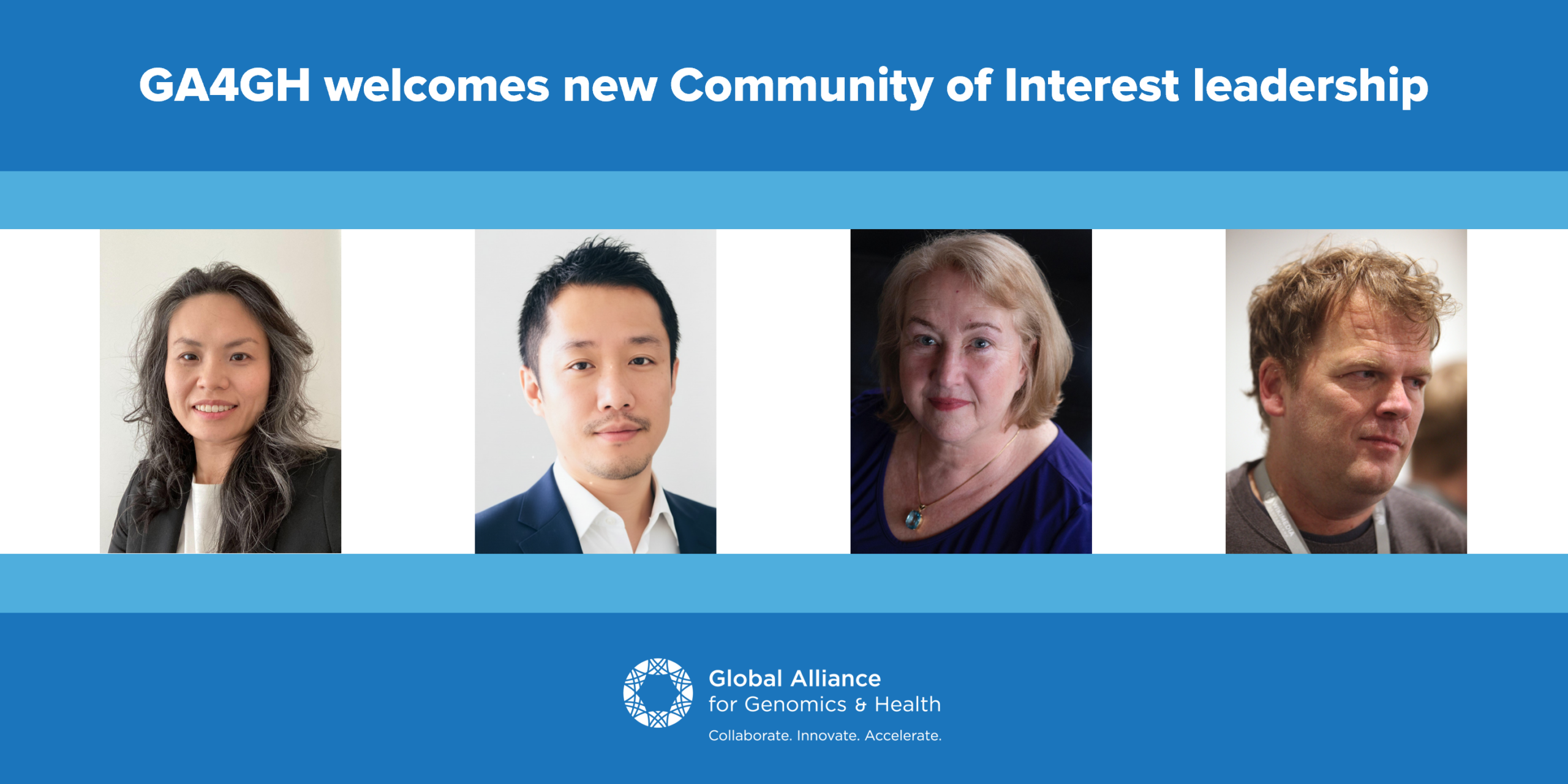
GA4GH is pleased to announce the appointment of several community members into new leadership roles. Please join us in welcoming Neuroscience Community Co-Lead Kelly Shen (Simon Fraser University), and Rare Disease Community Co-Leads Toyofumi Fujiwara (Database Center for Life Science, Research Organization of Information and Systems), Ada Hamosh (Johns Hopkins University School of Medicine), and Andra Waagmeester (Amsterdam UMC).
Each GA4GH Community of Interest acts as a forum for people in domain-specific research and healthcare professions to discuss GA4GH product application within their fields. Members of Communities of Interest apply GA4GH products in real-world use cases to demonstrate their impact in advancing research and improving human health outcomes.
The Neuroscience Community was established in 2023 as a joint collaboration between GA4GH, the International Neuroinformatics Coordinating Facility (INCF), and the Brain Research International Data Governance & Exchange (BRIDGE) project. Shen now joins Francis Jeanson (Ontario Brain Institute) as Co-Lead of the Neuroscience Community. Together, they will guide the community in establishing harmonised neuroscience data standards, governance frameworks, and educational resources that facilitate data sharing for international, collaborative neuroscience research.
The GA4GH Rare Disease (RD) Community provides a forum for researchers, clinicians, and technical rare disease experts to collaborate on the implementation and promotion of global health data standards that advance rare disease research in line with FAIR (Findable, Accessible, Interoperable, and Re-usable) principles. Fujiwara, Hamosh, and Waagmeester join current RD Community Co-Lead, Nicole Vasilevsky (Critical Path Institute), to guide the group’s efforts. The RD Community is working to develop guidance resources and use cases that support widespread health data sharing to accelerate rare disease diagnosis, discovery, and personalised care.
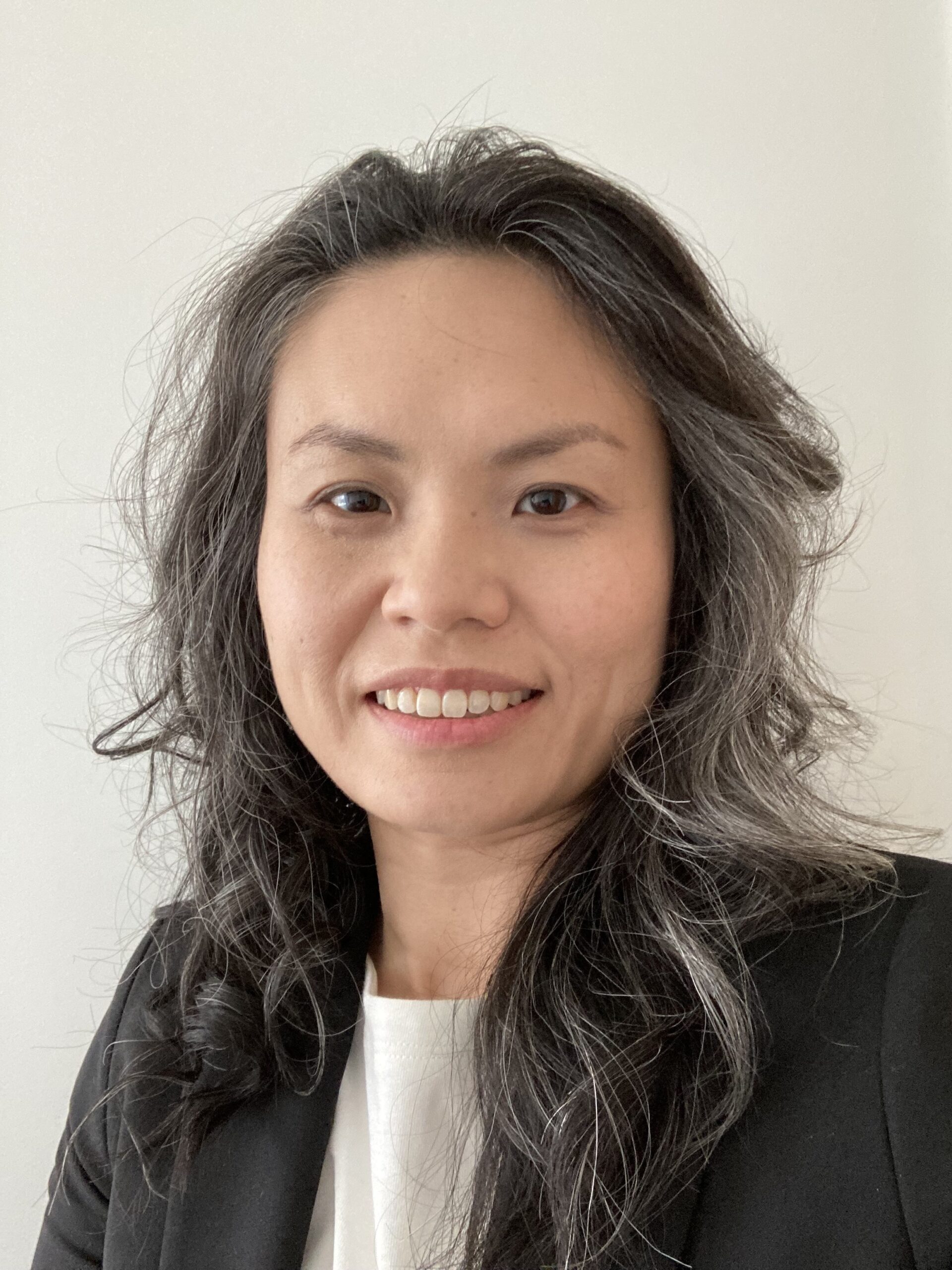 |
Kelly Shen is the Director of Operations at Simon Fraser University’s Institute for Neuroscience and Neurotechnology where she leads the development of neuroinformatics platforms, services, and training. Her work focuses on advancing open and reproducible research across experimental and computational neuroscience domains. As the Co-Lead of the GA4GH Neuroscience Community, she is committed to developing standards that reduce barriers to the responsible use of neuroscience data across systems and communities.
“Creating global neuroscience standards requires intentionally inclusive practices. I’m excited to contribute to the GA4GH Neuroscience Community’s development of interoperable and equitable standards that enable participation from researchers worldwide.” — Kelly Shen
|
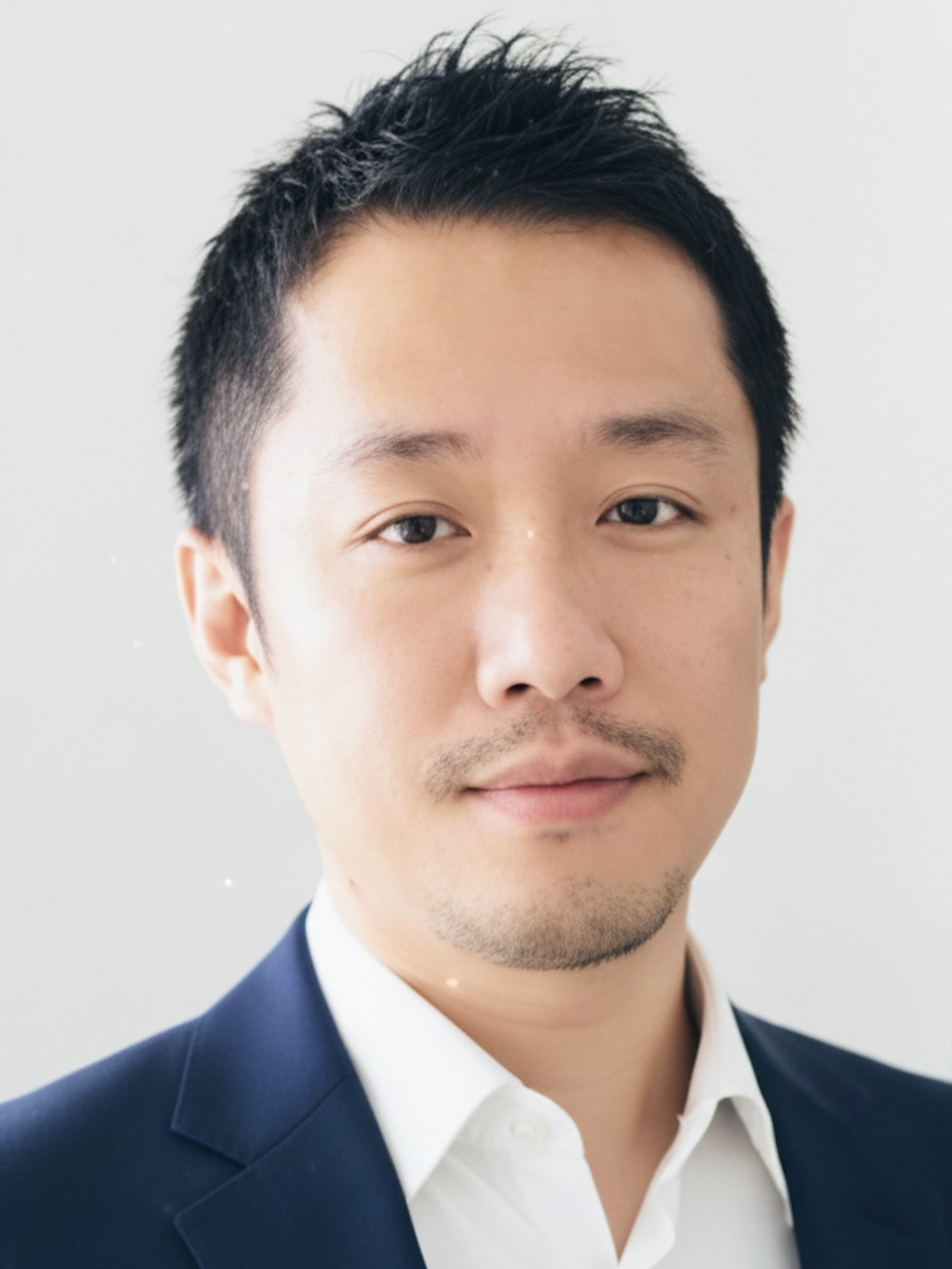 |
Toyofumi Fujiwara is an Associate Professor at the Database Center for Life Science (DBCLS), Research Organization of Information and Systems (ROIS) in Japan. His work focuses on improving rare disease diagnosis by integrating clinical phenotypes, genomic data, and structured biomedical knowledge, with an emphasis on developing FAIR and internationally interoperable data resources. He has contributed to international data-sharing efforts through Matchmaker Exchange, a GA4GH Driver Project, and applies GA4GH standards and tools within Japan to improve the structure, quality, and usability of national rare disease data. His activities align closely with the GA4GH mission to advance responsible, globally connected data sharing for rare diseases.
“I am honoured to serve as a Co-Lead of the GA4GH Rare Disease Community. I look forward to working with colleagues around the world to strengthen interoperability and advance responsible data sharing that accelerates diagnosis and improves outcomes for people living with rare diseases.” — Toyofumi Fujiwara
|
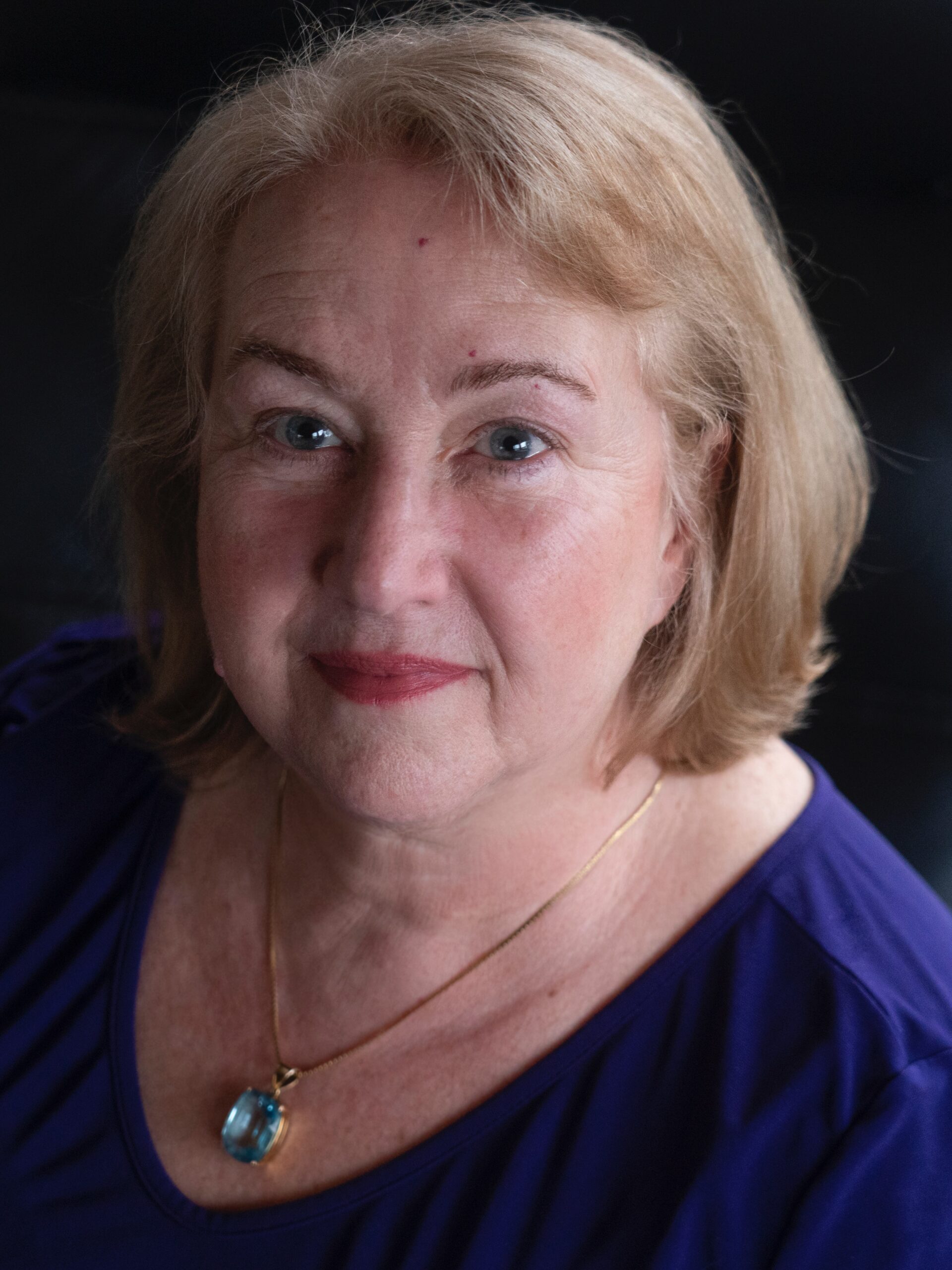 |
Ada Hamosh MD, MPH is the Dr. Frank V. Sutland Professor of Genetics at the Johns Hopkins University School of Medicine and has served as the Director of Online Mendelian Genetics in Man (OMIM®) since 2002. A clinical and biochemical geneticist, she has worked in the field of rare disease for 35 years, including with the ClinGen Project, Mondo, Human Genome Organisation (HUGO) — as its President from Spring 2023 to 2025 — and GA4GH since its inception. She and colleagues developed PhenoDB, as well as GeneMatcher, which is a founding member of the Matchmaker Exchange (MME). Hamosh serves on the steering committee of the MME and represents it on the Product Steering Committee of GA4GH.
“I am delighted to work with the GA4GH Rare Disease Community, and bring a clinical perspective to product development and implementation. I hope that clinicians from around the world join our effort to develop standards and tools that are easy to implement to accelerate diagnosis and treatment. By doing so, we can work to ensure that data sharing facilitates maximum impact for people living with rare diseases.” — Ada Hamosh
|
 |
Andra Waagmeester is an assistant professor in the Reusable Health Group of the Department of Medical Informatics at Amsterdam UMC in the Netherlands and founder of Micelio, a Belgian consultancy focused on linked data solutions for biomedicine and related fields. A FAIR data expert and long-time user of Wikidata as a linked data infrastructure, his research interests centre on data standardisation for interoperability among diverse datasets, particularly in the context of rare diseases. Waagmeester co-leads the GA4GH Rare Disease Community, aligning his work with GA4GH’s mission to improve data sharing and collaboration in rare disease research.
“I am excited to collaborate globally to find remedies for rare diseases by aligning datasets across languages and regions. I hope to bridge technical and data solutions with people by making user stories and competency questions at the forefront of the quest for interoperability of health data. By doing this, we can move towards finding treatment for rare diseases.” — Andra Waagmeester |