A key step to analysing genomic sequencing data is variant annotation — the process of drafting knowledge statements about a genetic variation. A given annotation may assert knowledge about a variant's molecular consequence, impact on gene function, population frequency, pathogenicity, or impact on therapeutic response to treatment. These statements add to our shared understanding of the impact of certain genetic variants on human health and disease.
However, the genomics and health community lacks a precise method for structuring variant annotations, hindering our ability to effectively share and analyse this knowledge across contexts and borders. To address this challenge, the GA4GH Genomic Knowledge Standards (GKS) Work Stream has developed the Variant Annotation (VA) specification, which includes a community-driven definition of compatible and computable models for specific types of variation knowledge.
Benefits
- Provides a machine-readable structure to support efficient and precise sharing of knowledge
- Offers a flexible framework to define new models for new variant annotation types
Target users
Researchers, clinicians, and clinical laboratories
Announcements
| Title | Related Driver Projects and Organisations |
|---|---|
| EJP-RD Virtual Platform | European Joint Programme on Rare Disease (EJP RD) |
Documents
| Date | Title |
|---|---|
| 16 October 2026 | GKM Meeting Minutes |
| 14 September 2023 | Code of Ethics and Community Conduct (CECC) |
| 11 March 2023 | Meeting minutes: Variant Annotation (2021 to 2023) |
Videos
| Date | Title | |
|---|---|---|
 |
19 November 2025 | GKS Work Stream Open House (November 2025) |
 |
6 January 2025 | GKS Work Stream Open House (January 2025) |
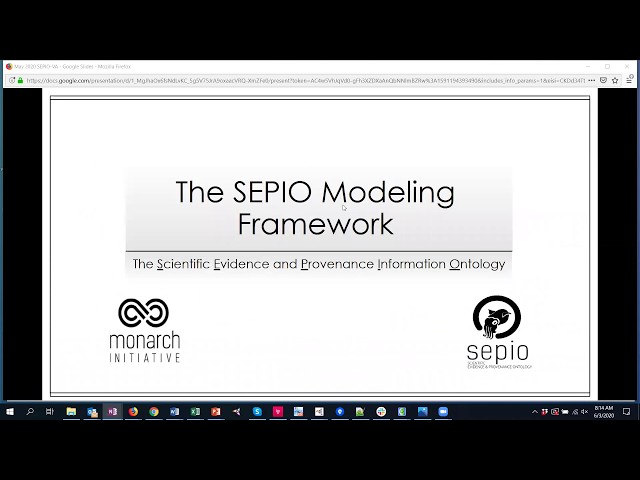 |
4 June 2020 | Evidence and provenance for Variant Annotations |
Contributors
Don't see your name..?
Get in touch- Matt BrushVariant Annotation (VA) LeadOregon Health & Science University, Portland
- Irina ArmeanEMBL's European Bioinformatics Institute (EBI), Hinxton, UK
- Larry BabbBroad Institute of MIT and Harvard, Cambridge, US
- Michael BaudisUniversity of Zurich, Zurich
- Jacqui BeckmannUniversité de Lausanne
- Steven BrennerUniversity of California, Berkeley, Berkely
- Daniel CameronIllumina, Inc., San Diego
- Raymond DalgleishUniversity of Leicester, Leicester, UK
- Ramon FelcianoDigital Alchemy
- Kyle FerriterBroad Institute of MIT and Harvard, Cambridge, US
- Robert FreimuthMayo Clinic, Rochester
- Malachi GriffithThe Genome Institute at Washington University, Saint Louis, Variant Interpretation for Cancer Consortium (VICC), International
- Melissa HaendelUNC School of Medicine
- Reece HartMyOme
- Ammar HusamiCincinnati Children's Hospital Medical Center, Cincinnati
- Andrew JesaitisGinkgo Bioworks
- Xuelu (Jeff) LiuDana-Farber Cancer Institute, Boston
- Javier LopezGenomics England
- Tristan NelsonGeisinger Health System, Danville
- Rahel PalootsUniversity of Zurich, Zurich
- Heidi RehmMassachusetts General Hospital, Boston, Broad Institute of MIT and Harvard, Cambridge, US
- Alan RubinWalter and Eliza Hall Institute of Medical Research, Parkville
- Dmitriy SonkinNIH National Cancer Institute (NCI), Bethesda
- Jing SuWellcome Sanger Institute (WSI), Hinxton, UK
- David TamboreroKarolinska Institutet
- Brian WalshKnight Diagnostic Laboratories, Oregon Health & Science University, Portland
- Andy YatesEMBL's European Bioinformatics Institute (EBI), Hinxton, UK
- Zhenyu ZhangUniversity of Chicago, Chicago
Driver Projects
| Title | Thematic Area |
|---|---|
| European Joint Programme on Rare Disease (EJP RD) | Rare Disease |